%2Ffit-in%2F250x250%2Fguide_websites%2F5917%2Fimages%2Fbowfishingaz.png&w=1920&q=100)
Bowfishing Common Carp in Scottsdale Arizona
Bowfishing in Scottsdale - What to Expect
%2F%2Fusers%2Fe36aa4d4-a159-4bac-ad39-745c51f1c76b%2Fimages%2Fscottsdale-carp-bowfishing-success-2515.jpg&w=1920&q=75)
Guided Fishing Trip by Guide John Stallone in June
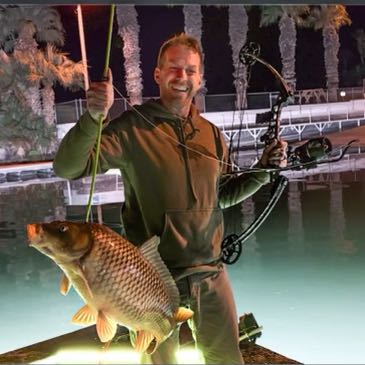
Meet your Guide John Stallone
- Adventure Awaits: Arizona Hunting and Fishing


Summary
Join a guided fishing trip in Scottsdale, Arizona on Saturday, June 13th to experience bowfishing for common carp. This unique activity combines archery skills with freshwater fishing in the Arizona desert, offering an exciting alternative to traditional angling methods in one of the Southwest's premier fishing destinations.
Guided Fishing Trip with John Stallone - Rates & Booking
Guide John Stallone of Days In The Wild leads bowfishing expeditions in the Scottsdale area on Saturday, June 13th. This guided fishing trip offers a distinctive approach to catching common carp using archery equipment rather than conventional rod and reel techniques. Interested anglers should contact Days In The Wild directly to book their bowfishing adventure, inquire about group sizes, and confirm what gear and licenses are included in the package.
Highlights of Bowfishing in the Desert
Bowfishing combines the precision of archery with the thrill of freshwater fishing, creating an immersive outdoor experience. The Arizona desert environment around Scottsdale provides unique shallow water conditions ideal for spotting and targeting carp. Working with an experienced guide like John Stallone gives you the expertise needed to locate fish, understand their behavior, and execute successful shots from your position in the water or on the bank.
This activity appeals to both experienced archers and fishing enthusiasts seeking a new challenge. The visual element of bowfishing - tracking fish, timing your shot, and witnessing the immediate result - creates an engaging and interactive experience that differs significantly from waiting for a bite on conventional tackle.
Local Species Insights: Common Carp
Common carp are among the most rewarding targets for bowfishing in the Southwest. These hardy freshwater fish are bottom feeders that roam shallow waters searching for food, making them visible to archers in the right conditions. Carp can grow quite large, with mature fish reaching 20-40 pounds or more, offering substantial targets and challenging shots that test both aim and patience.
The Arizona desert's water systems support healthy carp populations that thrive in temperatures and environments where many other game fish struggle. Carp are forgiving fish when it comes to fishing pressure - they're not easily spooked by preparation or gear, though they do require stealth and positioning to approach within arrow range. Understanding carp behavior patterns helps you predict where they'll be during different times of day and seasons.
Bowfishing for carp teaches you to read water carefully. Clear, shallow areas near structure or vegetation attract feeding carp. Morning hours often provide the best visibility and most active carp movement. The Arizona desert's bright sunlight actually aids spotting, though polarized sunglasses remain essential for cutting water glare and seeing fish beneath the surface.
What makes carp bowfishing particularly rewarding is the combination of hunting and archery skills required. You're not simply casting and waiting - you're actively stalking, observing, and executing precise shots. Successfully landing a carp requires understanding fish positioning, accounting for water refraction that makes fish appear in different locations than they actually occupy, and delivering arrows accurately from unstable platforms or while wading.
The experience also connects you with local ecosystems. Carp are prolific spawners that can thrive in challenging water conditions, making them practical targets in desert waterways. Learning about their ecological role and behavior patterns deepens your appreciation for regional wildlife and freshwater management.
Fishing in Phoenix, AZ: Common Carp
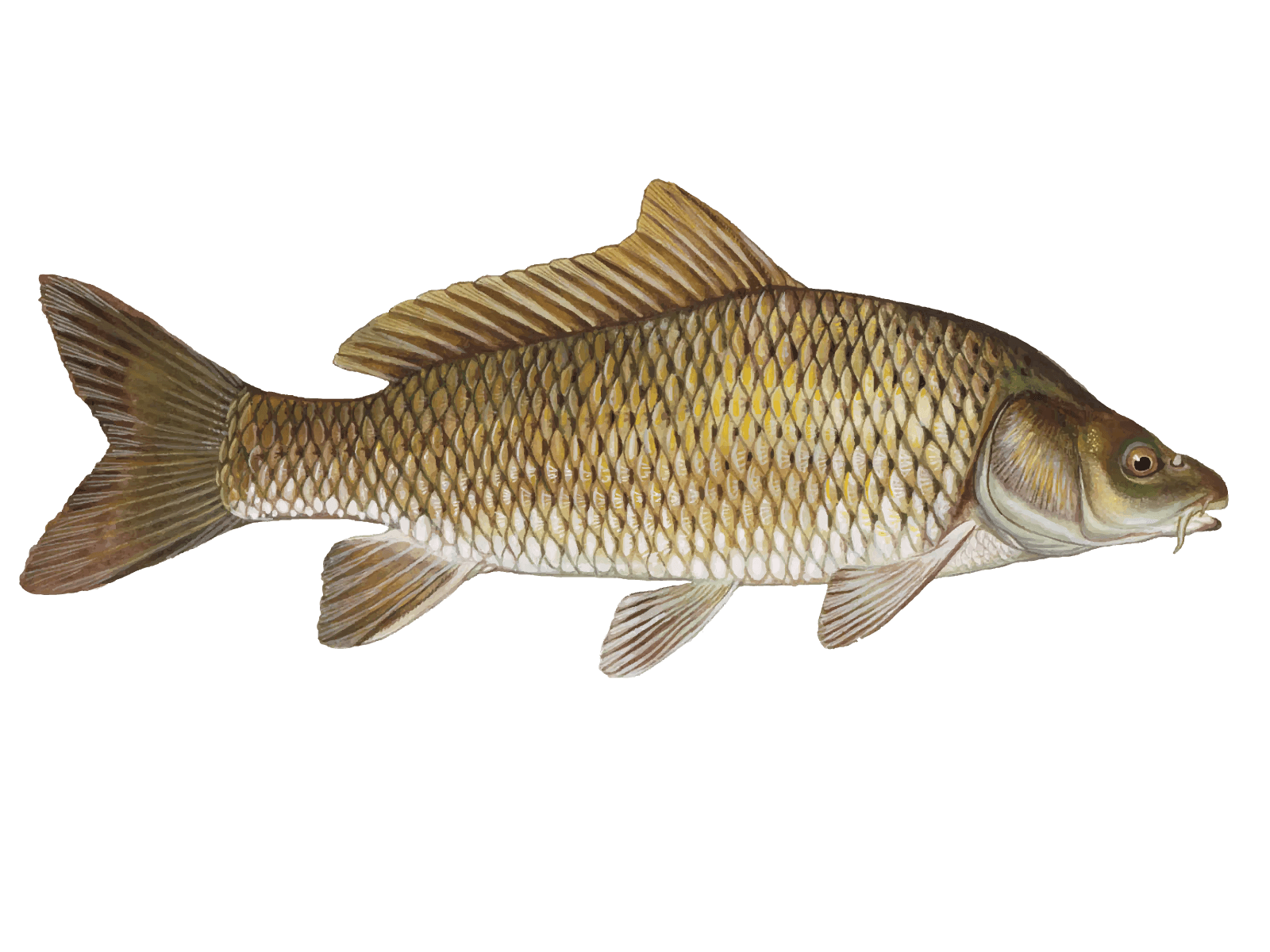
Common Carp Overview
The Common Carp (Cyprinus carpio) is a freshwater powerhouse belonging to the family Cyprinidae and order Cypriniformes. This stocky, golden-hued fish with distinctive barbels on its lower jaw has become one of the world's most introduced species—and for good reason. Anglers worldwide chase these hard-fighting fish for the sheer thrill of their battle, making carp fishing an exciting outdoor adventure. While not native to North America, these resilient swimmers have established themselves in lakes, rivers, and ponds across the continent, providing both recreational opportunities and ecological complexity.
What makes the Common Carp so captivating is its reputation as a challenging game fish combined with its adaptability to almost any freshwater environment. Whether you're fishing near urban waterways or remote backcountry lakes, encountering a carp is a testament to the species' incredible hardiness and survival instincts. Their whisker-like sensory barbels and bottom-feeding nature make them both mysterious and rewarding for anglers willing to learn their habits.
Common Carp Habitat and Distribution
The Common Carp thrives in warm freshwaters across North America, Europe, Asia, and beyond. These hardy fish prefer stagnant or slow-moving waters—think lakes, lagoons, sloughs, reed beds, and meandering river sections. They're equally comfortable in clear or murky water, which is why you'll find them in diverse environments from pristine alpine lakes to muddy ponds behind local parks.
Ideally, they seek water temperatures between 35°F and 85°F, but they become most aggressive and catchable when waters hover around 73.4°F to 80°F. During seasonal transitions, they congregate in shallow areas to spawn and feed heavily. Come summer, they disperse and move slightly deeper, typically 8 to 12 feet down, while winter finds them lethargic but still willing to feed opportunistically. You can check the nearest lakes, inlets, and ponds in your area and you will most likely find populations of this carp, as they've adapted remarkably well to human-altered landscapes.
Common Carp Size and Weight
Common Carp are known for their impressive stocky build. Average specimens range from 15.75 to 31.5 inches in length and weigh 4.5 to 31 pounds. However, these fish are capable of reaching truly exceptional sizes that excite serious anglers. The largest recorded Common Carp stretched 47 inches, while the heaviest specimens topped out around 100.5 pounds—though 20-pound fish are considered the sweet spot for challenging sport.
Their substantial, muscular frame combined with their fighting spirit means that heavier individuals offer a significantly more demanding angling experience. Many trophy hunters specifically target carp weighing 20 pounds or more, knowing that the battle with such a fish will test both their skills and equipment. The weight-to-length ratio of Common Carp makes them deceptively powerful, delivering runs and head shakes that leave anglers breathless.
Common Carp Diet and Behavior
The Common Carp is a voracious bottom-feeding omnivore with an incredibly diverse palate. They consume aquatic plants, bottom-dwelling insects, crustaceans, crawfish, and worms—essentially anything digestible they encounter on the lake or river floor. This feeding flexibility is partly why they're so successful as an introduced species; they can survive in ecosystems with limited traditional forage.
Carp are known for their spooky nature and heightened sensory awareness. Their barbels constantly sample the water for chemical cues, making them exceptionally alert to both food sources and potential threats. They tend to get spooked easily by shiny metallic equipment or sudden movements, which is why experienced anglers practice patience and stealth when pursuing them. During fall and spring, carp exhibit aggressive feeding behavior and often gather in large schools to spawn—they can lay about 300,000 eggs in a single spawn, which explains their invasive potential in some regions. In summer, they become more scattered and deeper-dwelling, while winter renders them lethargic, though they'll still consume food if presented with an easy meal.
Common Carp Spawning and Seasonal Activity
Common Carp follow a predictable seasonal pattern that savvy anglers use to their advantage. During fall and spring, these fish move into shallow waters to feed aggressively and spawn en masse. These are prime seasons for carp anglers, as the fish are most active and willing to take bait. The spawning season brings them into shallows and reed beds where they engage in chaotic, visible reproductive activity.
As summer arrives, carp disperse and retreat to slightly deeper zones—typically 8 to 12 feet down—where temperatures remain cooler and more stable. They continue feeding but become more scattered and harder to locate. Winter is the slowest season; carp become lethargic and move to deeper refuges. However, they remain food-motivated during the warmest part of the day, usually early afternoon, when temperatures spike slightly. Spring and fall are undoubtedly the most rewarding times for targeting these fish.
Common Carp Techniques for Observation and Capture
Method 1: Bottom Feeding with Hair Rig Setup
The hair rig is a specialized technique beloved by carp anglers worldwide. This rig places the bait (boilie, corn, or even prepared dough) on a short hair-like line separate from the hook itself, allowing hook-shy Common Carp to ingest the bait more confidently. Use a 9-foot rod with 7- to 10-weight depending on your target carp size. For 10- to 20-pound fish, employ #4 or #6 circle hooks; for larger specimens, size #8 or #10 works well. Cast near visible weed beds, sunken logs, or muddy flats where carp are known to root around. Allow your rig to sit undisturbed—patience is critical, as carp can take 10 to 20 minutes to locate and confidently feed on your offering. Avoid sudden rod movements or reflective gear that might spook them.
Method 2: Sight Fishing in Shallows
During spring and fall, wade into clear, shallow water early in the morning or late evening and visually locate cruising or feeding carp. Watch for their distinctive silhouettes, feeding behavior (tail-up positioning as they root on the bottom), or the visual disturbance they create. Once spotted, make a careful cast ahead of the fish's path and let your bait settle naturally. Use corn, bread, or boilies as your bait choice. Bread is most effective in urban ponds where carp are conditioned to human feeding, though it degrades quickly. Corn is more durable and equally effective. Boilies (dense, marble-sized prepared baits) are premium choices, ranging from $4 to $10 per package, but they're worth the investment for persistent, hook-shy fish.
Method 3: Early Morning or Sunset Fishing
Timing matters significantly for Common Carp success. In winter and fall, target early afternoon when water temperatures peak slightly. In summer, fish at sunset and sunrise when cooler conditions activate feeding behavior. This temperature-driven pattern reflects carp metabolism; they're most active when conditions are favorable. If you're fishing near a local urban area with established carp populations—say, around a city's retention ponds or river parks—early morning sessions often yield the best results because fewer anglers are present and carp have had all night to feed undisturbed.
Common Carp Culinary and Utilization Notes
The Common Carp has historically been valued as food in European and Asian cuisines, where it's prepared as steaks, smoked, or in traditional dishes. In North America, however, culinary adoption has been limited, though this is changing among adventurous food enthusiasts. Carp flesh is firm and white, with a mild flavor that benefits from proper preparation and seasoning.
From a utilization perspective, Common Carp offer ecological complexity. While they're considered invasive pests in some ecosystems due to their habit of uprooting aquatic plants and reducing native fish habitat, they also disperse seeds of aquatic vegetation and provide forage for larger predators like eagles and larger pike. In regions lacking natural predators, their populations can explode unchecked, creating management challenges. For recreational anglers, however, their presence offers affordable and accessible sport fishing opportunities. Food quality ratings suggest average odds for culinary use, reflecting regional preferences and preparation variability.
Common Carp Frequently Asked Questions
Q: What is the best bait for catching Common Carp?
A: The top three baits are bread (for urban pond carp), corn (reliable and durable), and boilies (premium choice for trophy fish). Boilies tend to attract larger, more selective carp because they're nutrient-dense and less familiar to the fish, making them less wary. Corn is the angler's sweet spot—effective, affordable, and durable enough to stay on your hook through multiple casts.
Q: What equipment do I need to catch a 20-pound Common Carp?
A: Use a 9-foot rod with 9- to 10-weight line capacity. Pair this with #4 or #6 circle hooks and a quality reel with smooth drag adjustment. Consider a hair rig setup to increase hook-up success rates with cautious fish. Avoid shiny metallic components that might reflect sunlight and spook your target.
Q: When is the best season to catch Common Carp?
A: Fall and spring are prime seasons when carp move into shallows to spawn and feed aggressively. Summer offers deeper-dwelling opportunities in the 8- to 12-foot zone, while winter remains challenging due to reduced activity. For consistent success, plan your outing during September through November or March through May.
Q: Are Common Carp good to eat?
A: Common Carp are edible and have been enjoyed in European and Asian cuisines for centuries. However, North American anglers have traditionally considered them less desirable food fish. If you do keep them for the table, prepare their firm white flesh as steaks or smoked dishes. Their food quality rating reflects average odds, suggesting regional preference variation.
Q: Where can I find Common Carp near my area?
A: Check any lakes, ponds, slow-moving rivers, or reservoirs within reasonable driving distance. Urban and suburban retention ponds, parks with natural water features, and quiet tributary sections all harbor established Common Carp populations. Contact local fish and game departments or online fishing forums for species-specific hotspot recommendations in your region.
Q: Do Common Carp spook easily?
A: Yes, absolutely. Their sensitive barbels and heightened sensory awareness make them exceptionally alert to movement, vibrations, and visual disturbances. Avoid sudden rod movements, keep metallic equipment muted, and remain patient—sometimes 20+ minutes of stillness precedes a take. Let your bait sit and allow the carp to locate and feed confidently at their own pace.