%2Ffit-in%2F250x250%2Fguide_websites%2F5917%2Fimages%2Fbowfishingaz.png&w=1920&q=100)
Turkey Hunting in Scottsdale Arizona Desert
Turkey Hunting in Scottsdale - What to Expect
%2F%2Fusers%2Fe36aa4d4-a159-4bac-ad39-745c51f1c76b%2Fimages%2Fturkey-hunt-scottsdale-arizona-success-2422.jpg&w=1920&q=75)
Guided Fishing Trip by Guide John Stallone in June
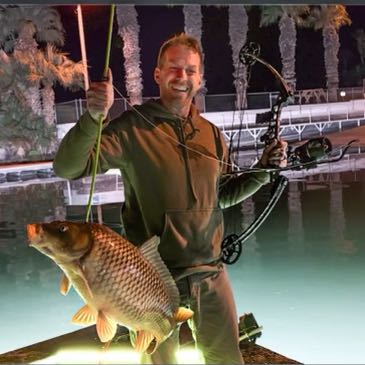
Meet your Guide John Stallone
- Adventure Awaits: Arizona Hunting and Fishing


Summary
Join a guided turkey hunting trip in Scottsdale, Arizona on Friday, June with Days In The Wild. This desert hunting experience teaches you how to locate, call, and successfully harvest wild turkeys in authentic Arizona terrain while learning local hunting techniques and wildlife behavior.
Turkey Hunting with John Stallone - Rates & Booking
Guide John Stallone of Days In The Wild led this guided hunting trip in Scottsdale on Friday, June 13. Contact Days In The Wild for current rates, availability, and booking information for your turkey hunting adventure in the Phoenix area.
Highlights of Turkey Hunting in Scottsdale
Hunting wild turkeys in Scottsdale's desert environment offers a unique challenge combining stealth, woodsmanship, and calling technique. The Arizona desert terrain presents distinct advantages for turkey hunting, with open sightlines and natural cover that requires hunters to understand both the landscape and turkey behavior patterns.
This guided experience teaches you how turkeys respond to calls, move through desert cover, and interact with their environment during active hunting season. Success requires understanding turkey vocalizations, seasonal movement patterns, and how to position yourself effectively in the terrain.
Desert Turkey Hunting Experience
Wild turkeys in the Scottsdale desert adapt to an arid environment quite different from eastern turkey habitats. Desert turkeys exhibit specific behavioral patterns shaped by water availability, vegetation density, and seasonal temperature fluctuations. They tend to concentrate near reliable water sources and mesquite stands, making these areas prime hunting zones.
Turkey behavior changes throughout the day in desert conditions. Early morning calls often produce responses as birds transition from roost sites to feeding areas. Understanding how turkeys navigate the terrain, their preferred feeding times, and how they respond to pressure helps hunters make informed decisions. The desert's visual clarity allows for greater effective range than wooded environments, but also means turkeys can spot movement more easily.
Scottsdale's terrain offers a mix of open desert, scattered brush, and arroyos that create natural travel corridors for turkeys. Successful hunters learn to read the landscape, identify turkey sign like scratching and droppings, and position themselves along these movement patterns. The dry conditions mean every footstep carries sound potential, making silent stalking and careful approach critical skills.
Working with an experienced guide teaches you call techniques specific to desert turkeys, including hen clucks, purrs, and gobble responses. You'll learn how to interpret turkey responses and adjust your calling intensity based on their reaction. The guide can show you how to glass distant areas for turkeys, judge distance in open terrain, and make ethical shooting decisions.
Plan Your Turkey Hunting Day
Turkey hunting in the Arizona desert typically involves early morning starts to catch birds as they leave roosting areas. You'll move through terrain while listening for gobbles and responding with strategic calling. The day's success depends on reading turkey behavior, adapting to their responses, and maintaining patience through periods of quiet. Comfortable footwear suitable for desert terrain, weather-appropriate clothing, and proper firearm preparation are essential for this experience.